

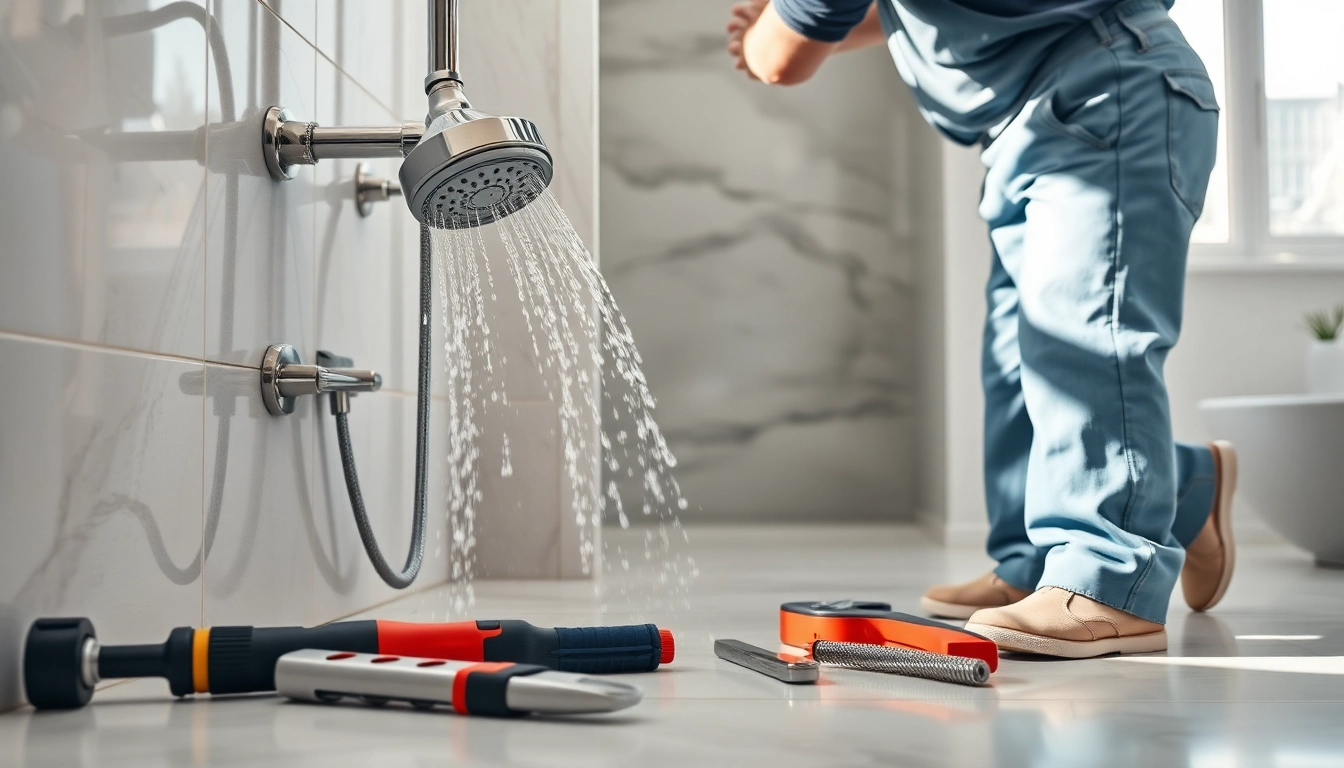
Understanding Why Your Shower Not Working Issues Occur
Experiencing a malfunctioning shower can be frustrating and inconvenient. Knowing the reasons behind these issues can be crucial for effective troubleshooting and repair. A shower not working can stem from various factors, including plumbing issues, user errors, or deteriorating fixtures. Understanding the root causes can help homeowners address the problems swiftly and effectively.
Common Causes of a Shower Not Working
Several common issues can lead to a shower not working properly:
- Water Supply Problems: Interruptions in water supply due to municipal issues or shut-off valves can prevent your shower from functioning.
- Pressure Variations: Low water pressure or variations in pressure can affect shower performance significantly.
- Faulty Shower Valve: A malfunctioning valve can hinder water flow, causing your shower to be ineffective.
- Blocked Shower Head: Mineral deposits, dirt, and grime can accumulate, resulting in reduced water flow.
- Temperature Control Issues: Problems with temperature settings can prevent the correct water temperature from reaching the shower.
Signs Indicating Your Shower Is Not Functioning
Identifying the signs of a malfunctioning shower can aid in timely repairs:
- No Water Flow: The most evident sign is when no water comes out when attempting to use the shower.
- Weak Water Pressure: A noticeable drop in water pressure may indicate blockages or other plumbing issues.
- Temperature Fluctuations: Sudden changes in water temperature can signal valve problems.
- Strange Noises: Sound disturbances, such as rattling or dripping, can indicate internal issues.
- Leaks: Visible leaks around the shower area can suggest problems with fixtures or plumbing.
Impact of Plumbing Issues on Shower Performance
Plumbing issues play a significant role in the performance of your shower. Clogs in the drainage system, leaks in pipes, or issues with the main water supply can affect not only your shower but the overall plumbing system in your home. Maintaining a well-functioning plumbing system is essential for ensuring optimal shower performance.
Initial Troubleshooting for Shower Not Working
If you find yourself facing a shower not working issue, conducting an initial troubleshooting process can save you time and money. Here are a few steps to consider:
Checking the Water Supply and Pressure
The first step is to check if the water supply to the shower is interrupted. Look for any shut-off valves that may be closed. If everything appears to be in order, check the water pressure. You might need a pressure gauge to measure the pressure accurately, as problems here can affect not just the shower but other faucets as well.
Inspecting Temperature Controls and Valves
Verify the functionality of the temperature control knobs or valves. If they feel loose or do not turn smoothly, you may need to replace or repair them. You can also check if the hot and cold water lines are functioning properly by turning them on individually to see if water flows correctly.
Testing for Blockages in Shower Heads
Take the shower head off and inspect it for any evident blockages. You can clean it with vinegar to remove mineral deposits and debris that could be restraining water flow. Reattach it and test the shower again to see if there is any improvement in performance.
Repairing Your Shower Not Working Problems
Finding a solution for a shower not working can involve various repair methods. Knowing some common repair options can help you determine whether you can execute repairs yourself or need to hire a professional.
How to Fix Common Shower Repairs Yourself
Many shower repairs can be effectively handled by homeowners. Here are some common DIY repair guidelines:
- Replacing Shower Heads: If your shower head is faulty or clogged, consider replacing it. Ensure you choose a compatible model with similar fittings.
- Fixing Leaky Faucets: Leaks can often be resolved by replacing worn-out washers or seals within the faucet assembly.
- Clearing Blockages: Use a plumbing snake or a simple guide on clearing smaller clogs. Often, a combination of vinegar and baking soda can effectively dissolve obstruction.
When to Call a Professional Plumber
While some repairs are manageable by homeowners, there are situations where calling a professional plumber is advised:
- When water pressure issues are system-wide and not localized to the shower.
- If the problem persists after performing basic fixes or troubleshooting.
- For complicated repairs involving significant plumbing infrastructure, especially if parts of your plumbing system are old or complex.
Cost Estimation for Shower Repairs
Understanding the potential costs associated with shower repairs can help homeowners budget appropriately. Costs may vary based on the following:
- DIY Repairs: Minimal costs for materials typically range from $10 to $50.
- Professional Repairs: Costs may range from $100 to $500, depending on the depth of the issue.
Preventative maintenance can save significant costs in the long run, so addressing minor issues promptly is essential.
Prevention Tips for Future Shower Not Working Issues
Preventing a shower not working situation involves proactive measures that homeowners can easily implement. Here are practical tips:
Regular Maintenance Checklist for Showers
Creating a regular maintenance checklist for your shower can help you identify and resolve issues before they escalate:
- Inspect and clean the shower head regularly.
- Check for signs of leaks or water damage around the shower.
- Ensure that the caulking is intact and free from mold or mildew.
- Monitor water pressure and temperature settings periodically.
Choosing Quality Shower Fixtures and Parts
When replacing or upgrading your shower fixtures, consider investing in high-quality products. Such fixtures tend to be more durable and feature enhanced efficiency, reducing the likelihood of future issues.
Understanding Your Plumbing System for Better Care
Familiarizing yourself with your home’s plumbing system can dramatically enhance care and maintenance practices, ensuring that you are well-equipped to manage proactive maintenance and repairs.
Frequently Asked Questions About Shower Not Working
What should I do if my shower is completely dry?
Check for water supply issues and ensure all valves are open. Assess for plumbing blockages or leaks if supply seems fine.
Can low water pressure cause my shower not working?
Yes, low water pressure is a common cause of shower malfunctions and can originate from various plumbing issues.
How often should I clean my showerhead?
It’s advisable to clean your showerhead every 1-3 months to prevent mineral buildup and ensure optimal flow.
What are some signs I need to replace my shower valve?
Signs include persistent leaks, inconsistent water temperature, or difficulty in controlling water flow effectively.
Can I fix a leaking showerhead myself?
Yes, most minor leaks can be fixed by replacing washers or seals, which is often a straightforward DIY task.
