

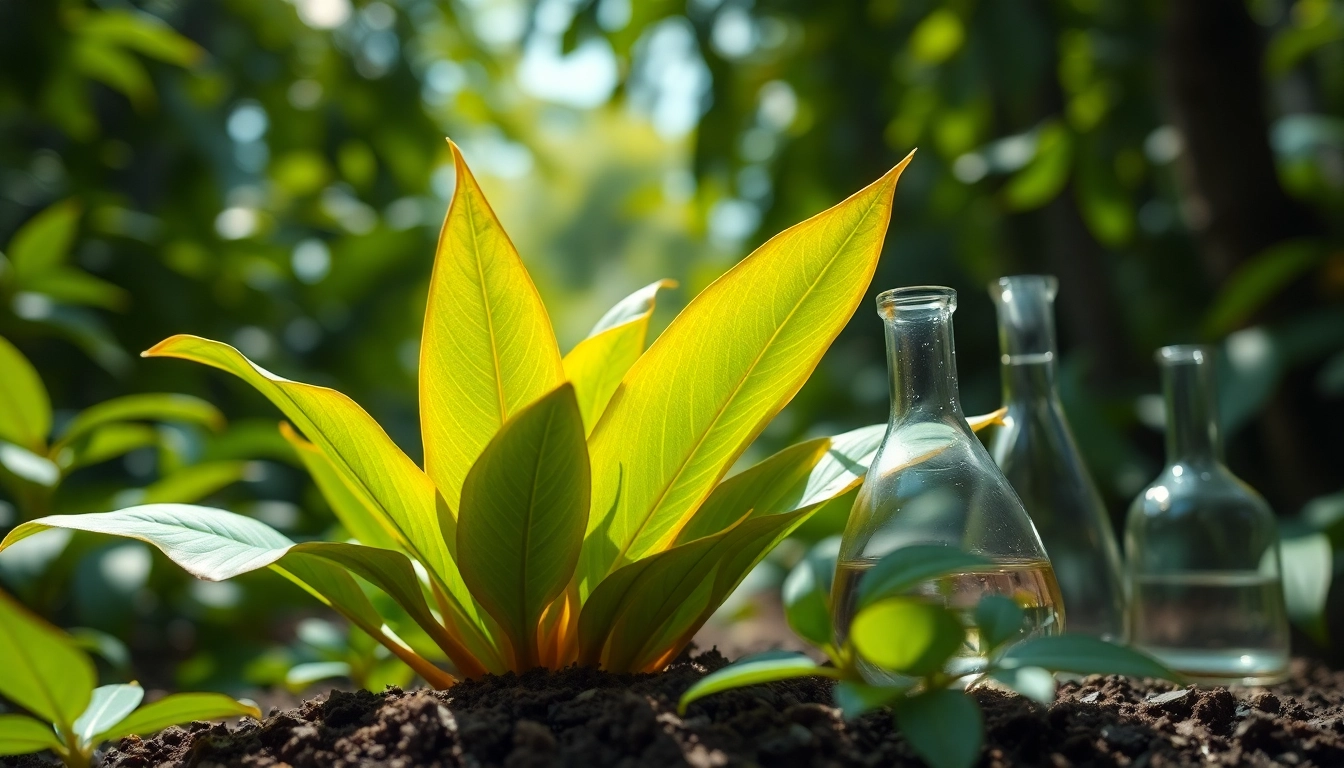
Understanding DMT: Nature and Chemistry
What is DMT?
DMT, or N,N-Dimethyltryptamine, is a powerful psychedelic compound that occurs naturally in many plants and in small amounts in the human body. It is well-known within both traditional indigenous practices and contemporary psychedelic research due to its profound psychoactive effects. DMT can induce altered states of consciousness, leading to significant experiences often described as mystical or transformative.
Chemical Structure of DMT
The chemical structure of DMT is highly similar to serotonin, a neurotransmitter responsible for the regulation of mood, cognition, and perception. This structural similarity allows DMT to bind effectively to serotonin receptors in the brain, particularly the 5-HT2A receptor, which is primarily responsible for the hallucinogenic effects. Understanding the molecular interaction between DMT and these receptors is crucial in exploring its psychoactive properties.
Natural Sources of DMT
DMT is present in various plant species, with notable sources including Mimosa hostilis, Psychotria viridis, and Diplopterys cabrerana. These plants have been utilized for centuries in traditional spiritual practices, particularly in South America, where they are often combined with other substances to make ayahuasca, a potent entheogenic brew. Understanding these natural sources is essential when considering methods on how to get dmt.
Methods to Get DMT Naturally
Extraction from Plants
Extraction of DMT from plants involves various techniques, including acid-base extraction, which separates the DMT molecule from the plant material. One common method utilizes Mimosa hostilis, where the root bark is finely powdered and then processed with solvents to yield DMT. While the extraction process is seen as a method to obtain pure DMT, it requires precise knowledge of chemistry, careful handling of solvents, and an understanding of the legal implications involved.
Synthetic Production of DMT
Due to its structural complexity, DMT can also be synthesized in labs. This synthetic approach often involves starting with simpler chemical precursors through a series of reactions. Though synthetic DMT can be produced, it typically requires advanced knowledge of organic chemistry and may necessitate compliance with various legal regulations, as DMT is classified as a controlled substance in many jurisdictions.
Safety and Legality Considerations
When discussing how to get dmt, it’s essential to consider the legal status and safety implications. In many countries, DMT is considered a Schedule I substance, making it illegal to manufacture, distribute, or possess without appropriate licensing. Users often face legal consequences, so understanding local laws is vital. Additionally, regarding safety, potential risks include psychological distress, particularly for individuals with underlying mental health conditions; thus, a responsible approach is critical.
Effects and Experiences of DMT Use
How DMT Influences Perception
DMT is well-documented for its ability to alter sensory perception dramatically. Users often report intense visual and auditory hallucinations, including geometric patterns and vibrant colors that may lead to profound sensory experiences. Interestingly, these alterations can profoundly impact perception and cognition, offering insights into the nature of consciousness itself and challenging frequently held beliefs about reality.
Potential Therapeutic Benefits
Recent studies have begun to explore the therapeutic potential of DMT, particularly in treating conditions such as depression, anxiety, and PTSD. The rapid onset of effects, often within minutes, followed by a short duration of the intense experience makes DMT a candidate for therapeutic exploration. Initial findings suggest that the use of DMT may facilitate deep introspective insights, aiding in psychological healing and personal growth.
Risks and Side Effects
While the potential benefits of DMT are compelling, it’s crucial to recognize the associated risks and side effects. These may include anxiety, confusion, and nausea during the experience, which can be overwhelming for some users. Moreover, individuals with a history of mental health disorders should approach DMT cautiously, as the experience can exacerbate underlying conditions. Therefore, informed consent and thorough research are paramount for safe utilization.
Guidelines for Responsible Use
Choosing the Right Environment
The environment in which DMT is consumed plays a crucial role in shaping the experience. A serene, comfortable setting can foster a positive journey, while a chaotic or unfamiliar location may provoke anxiety. Therefore, preparing a conducive environment—free from distractions and infused with comforting elements—can enhance the experience and allow users to explore their consciousness safely.
Dosage Recommendations
Finding the right dosage of DMT is essential for a balanced experience. While some users may prefer microdosing to explore its subtler effects, others may seek a more intense journey. Beginners should start with lower doses, gradually increasing as comfort and familiarity grow. Understanding one’s limits and monitoring reactions is critical to ensuring a safe experience.
Importance of Set and Setting
“Set and setting” is a crucial concept in psychedelic experiences, referring to the user’s mindset (set) and the physical and social environment (setting) in which the substance is used. A positive mindset, free from anxiety or fear, alongside a safe and supportive environment, can drastically influence the overall experience. Thus, participants should consider these aspects when planning to explore DMT.
FAQs about Getting DMT
What is the natural version of DMT?
The natural version of DMT can be found in various plants, with Mimosa hostilis and Psychotria viridis being among the most notable sources. These plants have been traditionally used in shamanic practices for their psychoactive properties.
How is DMT extracted from plants?
DMT is usually extracted from plants through acid-base extraction techniques. This process involves separating DMT from the plant material using specific solvents and careful chemical procedures.
Is DMT legal everywhere?
DMT is classified as a Schedule I substance in many countries, making it illegal to produce, possess, or distribute without appropriate licenses. Legislative changes may exist, so it’s crucial to verify local laws.
What effects can I expect from DMT?
Users can expect intense visual and auditory hallucinations, altered perception of time, profound emotional experiences, and insights into consciousness. Effects typically last from 20 to 60 minutes, depending on ingestion methods.
How to prepare for a DMT experience?
To prepare for a DMT experience, create a calm environment, set intentions for the journey, ensure you have a trusted sitter, and familiarize yourself with potential effects and risks. Reflect on your mindset before beginning.
