

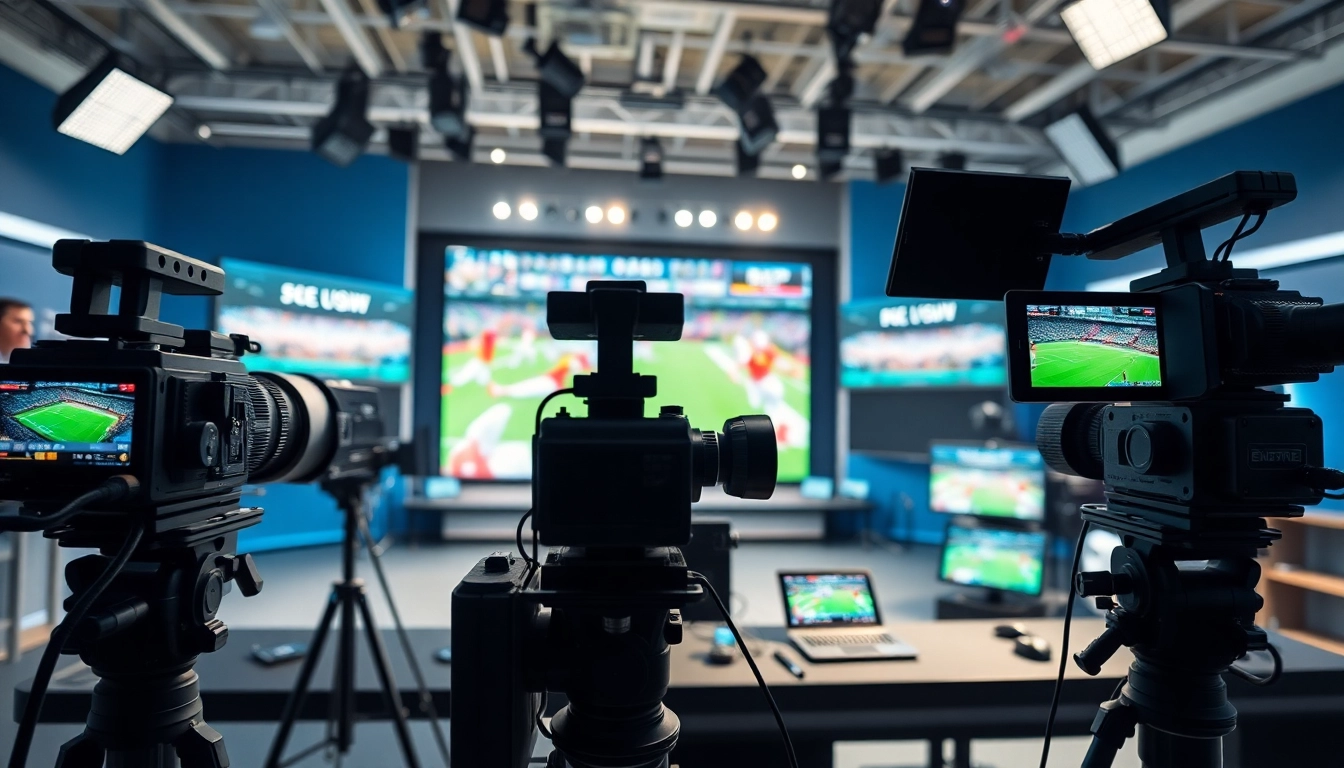
Understanding Sports Broadcasting
The Basics of Sports Broadcasting
Sports broadcasting encompasses the live coverage of sporting events, and its evolution over the years has transformed how fans engage with their favorite sports. From television to radio, and more recently online platforms, the goal remains consistent: to deliver real-time access to games while providing context and analysis. This medium serves as a bridge connecting teams with fans worldwide. An essential resource for those looking to explore the complexities of Sports Broadcasting is Sports Broadcasting, which delves into the intricacies of this dynamic field.
Different Types of Sports Broadcasts
Broadcasting can take various forms, which can be broadly categorized as:
- Live Broadcasting: This type involves real-time broadcasts of events as they happen, crucial for delivering the immediacy fans crave.
- Delayed Broadcasting: Sometimes, a game may be aired after it has concluded, allowing viewers who missed the live show to catch up.
- Highlight Shows: These programs focus on key moments from various sporting events, catering to those who prefer a condensed viewing experience.
- Documentaries and Analysis: In-depth shows that provide context and narratives surrounding teams, players, and significant sporting moments.
Key Roles in Sports Broadcasting
Successful sports broadcasting hinges on a variety of roles. Some of the key positions include:
- Commentators: They provide real-time commentary during events, offering insights and enhancing the viewer’s experience.
- Producers: These individuals oversee the entire broadcast process, ensuring everything runs smoothly.
- Camera Operators: They capture the action from various angles, a crucial component in delivering an engaging broadcast.
- Analysts: They break down plays, providing expert opinions that add depth to the viewing experience.
- Graphic Designers: These creatives develop the visual elements used in broadcasts for data and stats presentation.
Technology Innovations in Sports Broadcasting
Impact of Live Streaming on Sports Broadcasting
Live streaming has revolutionized the way sports are consumed. It allows fans to watch games on various devices beyond traditional television, providing flexibility and convenience. Moreover, platforms like social media have paved the way for real-time interactions, enhancing fan engagement. The rise of subscription-based models has also shifted the revenue landscape, allowing for more personalized and content-rich experiences.
Emerging Technologies: AR and VR in Sports
Augmented Reality (AR) and Virtual Reality (VR) technologies are infiltrating sports broadcasting, offering immersive experiences like never before. AR can enhance viewer engagement by overlaying statistics and player information during live broadcasts. Simultaneously, VR offers fans the opportunity to virtually attend games from the comfort of their homes, creating an interactive experience that mirrors being present at live events.
High-Definition Broadcasts and Their Importance
High-definition broadcasts have set a new standard for sporting events, significantly enhancing the viewing experience. The clarity, color depth, and detail provide fans with an immersive feel that standard definition cannot match. Additionally, advancements like 4K and 8K resolution are on the horizon, promising even more stunning visuals, which are increasingly important to attract and retain audiences.
Crafting Engaging Content for Sports Broadcasting
Storytelling Techniques in Sports Broadcasting
A key component of captivating broadcasts is storytelling. Successful sports broadcasters weave narratives around players, teams, and games, drawing viewers into the drama and emotion of sports. Employing techniques such as character development, conflict portrayal, and resolution fosters a connection between the audience and the event, making it more relatable and engaging.
Building Audience Engagement and Interaction
Engagement is critical in sports broadcasting. Incorporating polls, live Q&As, and social media interaction during broadcasts creates a participatory environment. Fans crave connection and recognition; thus, involving them in discussions and decision-making bolsters loyalty and viewership.
Utilizing Social Media for Amplifying Broadcasts
Social media serves as a powerful tool for increasing the reach of sports broadcasts. By sharing highlights, behind-the-scenes content, and engaging with fans, broadcasters can drive traffic to live shows, expand their audience base, and enhance the overall experience through real-time feedback and interaction.
Regulatory Challenges in Sports Broadcasting
Understanding Broadcast Rights and Licenses
The landscape of sports broadcasting is heavily governed by licensing and rights agreements. Understanding these agreements is crucial for any broadcasting entity, as they define who can show an event, the geographic limitations, and the financial terms involved. Successfully navigating this complex field requires legal expertise and negotiation skills.
Navigating Content Restrictions and Guidelines
Broadcast regulations often come with stringent content guidelines to protect the rights of participants and promote fair competition. Broadcasters must remain compliant with these restrictions, which vary significantly among different sports and regions. Staying abreast of these guidelines is essential to avoid legal repercussions.
Impact of Copyright Laws in Sports Broadcasting
Copyright laws are a double-edged sword in sports broadcasting. While they protect content creators, they also impose restrictions on how and when content can be shared. Broadcasters must ensure they adhere to these laws, balancing high-quality content delivery with legal compliance. Understanding these laws is integral to protecting intellectual property while promoting sports events effectively.
Measuring Success in Sports Broadcasting
Key Performance Indicators: What to Track
Measuring success in sports broadcasting involves tracking several key performance indicators (KPIs). These include viewer ratings, audience demographics, engagement rates, and revenue generated from advertisements and sponsorships. Properly analyzing these figures allows broadcasters to gauge audience interest and adjust strategies accordingly.
Evaluating Audience Metrics for Improvement
Evaluating audience metrics involves analyzing data on viewer behavior, preferences, and feedback. By employing analytics tools, broadcasters can better understand what content resonates with viewers and what areas require improvement. This analysis is pivotal in making informed decisions that enhance overall broadcast quality.
Adjusting Strategy Based on Feedback and Analytics
Feedback and analytics act as a compass for sports broadcasters, guiding them to refine their content and delivery methods. Regular assessment allows broadcasters to adapt to changing viewer preferences and technological advancements, ensuring their offerings remain relevant and engaging.
FAQs
What is sports broadcasting?
Sports broadcasting refers to the live or recorded transmission of sports events through various media platforms such as television, radio, and the internet.
How has technology changed sports broadcasting?
Technology has introduced innovations like live streaming, high-definition broadcasts, and augmented reality, enhancing viewer experiences and engagement.
What are the key roles in sports broadcasting?
Common roles include commentators, producers, camera operators, analysts, and graphic designers, each contributing to a seamless broadcast experience.
What regulations affect sports broadcasting?
Key regulations include broadcast rights, licensing agreements, content restrictions, and copyright laws, impacting how sports content is delivered.
How can audience engagement be improved in sports broadcasting?
Engagement can be enhanced through interactive formats like live polls, social media integration, and storytelling techniques that resonate with viewers.