
Ultimate Guide to Healthy Food: 10 Essential Choices for 2023
Understanding Healthy Food
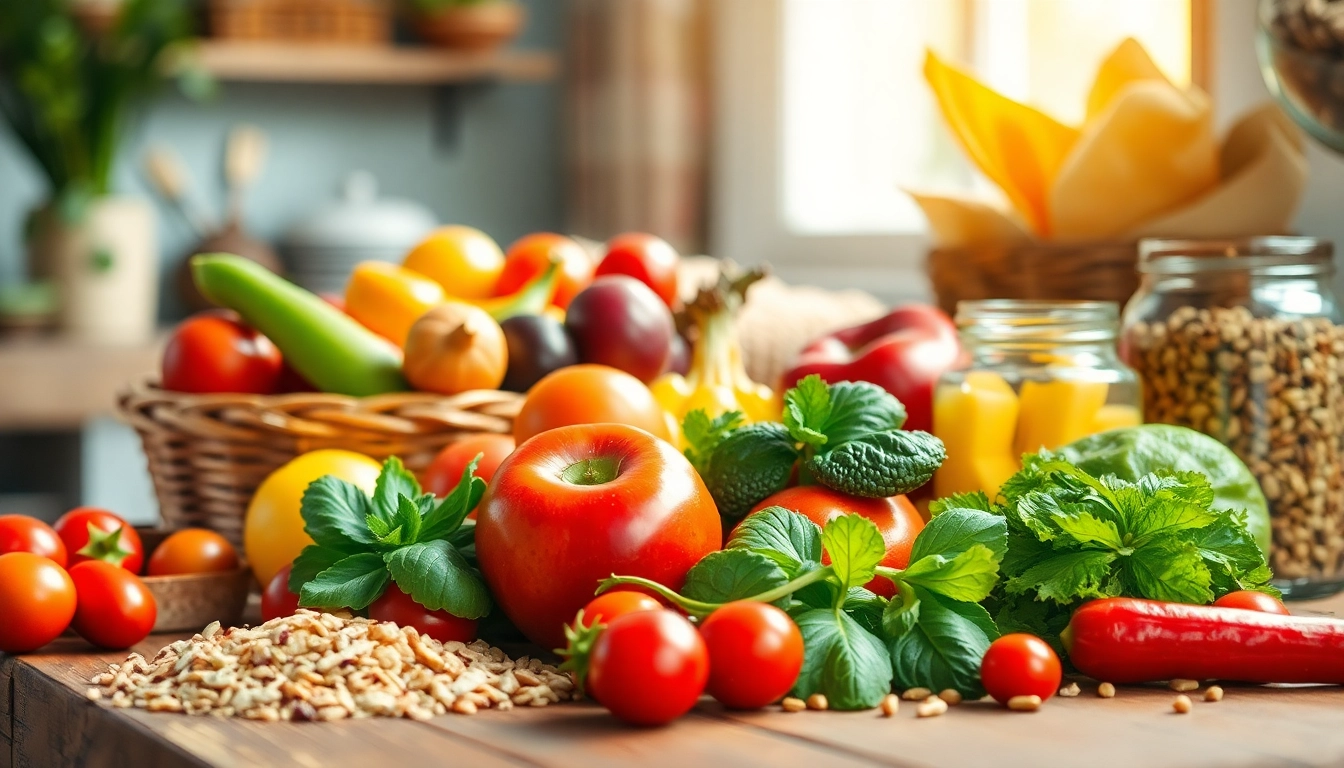
Healthy food encompasses a range of nutritious items that provide essential nutrients your body needs to function optimally. In general, the term refers to foods rich in vitamins, minerals, and other beneficial compounds while being low in unhealthy fats, sugars, and additives. This article will dive deep into the essence of healthy food, including what qualifies as healthy, its numerous health benefits, and common misconceptions associated with it. To explore healthy food options, you can visit Healthy Food.
What Constitutes Healthy Food?
To classify as healthy food, items must excel in nutritional quality. Generally, healthy foods include:
- Fruits and Vegetables: These are high in vitamins, minerals, and fiber while being low in calories. Foods like leafy greens, berries, and citrus fruits are excellent choices.
- Whole Grains: Unlike refined grains, whole grains (such as brown rice, quinoa, and whole wheat bread) retain their bran and germ, providing more fiber and nutrients.
- Lean Proteins: Poultry, fish, beans, nuts, and legumes provide the body with necessary protein without excess saturated fat.
- Healthy Fats: Sources such as avocados, olive oil, and nuts offer beneficial fats that help with heart health, unlike trans and saturated fats.
- Dairy Products: Low-fat and fat-free dairy options provide calcium and vitamin D, essential for bone health.
Health Benefits of Eating Healthy Food
Integrating healthy foods into your daily diet yields a plethora of health benefits:
- Weight Management: Healthy foods tend to be lower in calories and higher in nutrients, which can aid in weight loss and maintaining a healthy weight.
- Improved Heart Health: Diets rich in fruits, vegetables, whole grains, and lean proteins can lower the risk of heart disease by improving cholesterol levels and blood pressure.
- Enhanced Mental Health: Certain nutrients, like omega-3 fatty acids found in fish, have been shown to boost brain health and alleviate symptoms of depression.
- Better Digestion: Foods high in fiber improve digestive health and reduce constipation, contributing to a healthier gut microbiome.
- Reduced Risk of Chronic Diseases: Regular consumption of healthy foods can decrease the risk of developing conditions like diabetes, hypertension, and certain cancers.
Common Misconceptions About Healthy Foods
Despite the benefits, there are several misconceptions about healthy foods that can hinder dietary choices. Here are some of the most prevalent:
- Myth 1: Healthy Food Is Expensive: While some organic options may be pricier, many whole foods, such as grains and legumes, are cost-effective alternatives.
- Myth 2: Eating Healthy Is Time-Consuming: Healthy meals can be quick to prepare. Choosing simple recipes and incorporating meal prep can save both time and effort.
- Myth 3: All Fats Are Bad: Not all fats are created equal. Healthy fats, like those from avocados and nuts, are beneficial and crucial for overall health.
- Myth 4: Healthy Food Is Boring: Healthy eating can be exciting and flavorful. Exploring spices, herbs, and various cooking methods can enhance the quality of healthy meals.
Top 10 Healthy Food Choices
When it comes to making healthy choices, not all foods are equal. Here are ten of the best options to incorporate into your diet:
Fruits: Nature’s Sweet Treats
Fruits are not only delicious but packed with fibers, vitamins, and antioxidants. Some of the top fruits to include in your diet are:
- Berries: Strawberries, blueberries, and raspberries are high in antioxidants and fiber.
- Apples: A great source of fiber and vitamins while being low in calories.
- Bananas: High in potassium and very convenient for on-the-go snacking.
- Citrus Fruits: Oranges, lemons, and grapefruits are loaded with vitamin C.
Vegetables: The Nutrient Powerhouses
Vegetables are a crucial part of a healthy diet, offering a wide range of essential nutrients. Some star vegetables to incorporate include:
- Spinach: Rich in iron and magnesium, spinach is excellent for energy levels.
- Broccoli: This green vegetable contains vitamins C and K, fiber, and several antioxidants.
- Carrots: High in beta-carotene, carrots can help improve vision and skin health.
- Bell Peppers: They come in various colors and are rich in vitamins A and C.
Whole Grains: Energy and Fiber Boosters
Whole grains provide essential nutrients and fiber that can help you feel full longer. Top choices include:
- Quinoa: A gluten-free grain that contains all nine essential amino acids, making it a complete protein source.
- Brown Rice: A versatile grain that can serve as a base for many dishes.
- Oats: High in fiber, oats can help lower cholesterol and stabilize blood sugar levels.
- Whole Wheat Bread: This healthier option over white bread is higher in nutrients and fiber.
Integrating Healthy Food into Your Diet
Transitioning to a healthier diet doesn’t have to be a daunting task. Here are some effective strategies for integrating these healthy foods into your daily routine:
Meal Planning Tips for Healthier Eating
Meal planning can simplify healthy eating significantly. Here are steps to create an effective meal plan:
- Create a Weekly Menu: Decide on your meals for the week, focusing on incorporating a variety of healthy foods.
- Make a Shopping List: Based on your menu, create a list of all the ingredients you’ll need, preventing impulse buys.
- Prep in Advance: Spend a few hours prepping your meals or ingredients, such as chopping vegetables or cooking grains.
- Batch Cook: Consider making larger quantities of meals to have leftovers for later in the week.
Healthy Food Swaps for Everyday Recipes
Swapping out less healthy ingredients for nutritious alternatives can enhance your diet significantly. Consider these easy substitutions:
- Instead of white rice, try quinoa or cauliflower rice.
- Use Greek yogurt in place of sour cream for dips and dressings.
- Replace candy with fruit for dessert.
- Swapping out processed snacks for nuts, seeds, or yogurt can be very beneficial.
Staying Motivated to Eat Healthily
Maintaining motivation can be challenging, but specific strategies can help. Consider the following:
- Set Realistic Goals: Establish attainable and measurable goals for your dietary changes.
- Track Your Progress: Use a journal or app to document your meals and reflect on your health journey.
- Involve Others: Getting family or friends involved can help keep you accountable and motivated.
- Be Kind to Yourself: Acknowledge that change takes time; occasional indulgences are okay.
Healthy Food Recipes for Everyone
With a variety of healthy food options, it’s easy to create delicious and nutrient-rich meals. Here are some quick and healthy recipes:
Quick and Easy Healthy Breakfast Ideas
Start your day right with these nutritious breakfast options:
- Overnight Oats: Combine rolled oats, yogurt, fruit, and nuts in a jar for a ready-to-eat breakfast.
- Smoothie Bowl: Blend spinach, banana, and almond milk and top with seeds and fresh fruit.
- Avocado Toast: Mash avocado on whole-grain bread, sprinkle with salt and pepper, and add a poached egg on top.
Nutritious Lunch Options for On-the-Go
Keep your lunch healthy and filling with these options:
- Quinoa Salad: Mix cooked quinoa with chopped vegetables and a simple lemon vinaigrette.
- Hummus Wrap: Spread hummus on a whole grain wrap; add spinach, cucumbers, and shredded carrots.
- Soup and Salad: A hearty vegetable soup paired with a fresh side salad offers a balanced meal.
Delicious Dinners Featuring Healthy Foods
Evenings can be nutritious and enjoyable with these healthy dinner recipes:
- Baked Salmon: Season salmon fillets with herbs and bake, serve with steamed broccoli.
- Stir-Fry: Quick stir-fry using a mix of colorful vegetables and tofu or chicken, served over brown rice.
- Vegetable Curry: Create a rich curry using canned tomatoes, coconut milk, and your choice of vegetables.
Future Trends in Healthy Food
The landscape of healthy eating continues to evolve. Here’s a look at emerging trends influencing food choices:
Plant-Based Alternatives and Their Benefits
Plant-based eating is gaining momentum, emphasizing the consumption of foods derived from plants. Benefits include:
- Improved Heart Health: Plant-based diets are associated with lower cholesterol and blood pressure.
- Weight Management: These diets are often lower in calories and high in fiber.
- Sustainability: A plant-based diet has a lower environmental impact compared to meat-based diets.
Technology’s Role in Healthy Food Choices
Advancements in technology are reshaping how we plan, purchase, and prepare our meals:
- Meal Planning Apps: Tools like MyFitnessPal assist with tracking calorie intake and meal planning.
- Smart Kitchen Appliances: Appliances that streamline cooking processes and enhance meal preparation.
- Online Grocery Shopping: Enables consumers to easily access healthy food options and compare nutritional content.
Tips for Sustainable Healthy Eating
Sustainable eating is vital for both health and the planet. Here are some suggestions to make eco-friendly choices:
- Shop Locally: Purchase fruits and vegetables from local farmers to support community agriculture.
- Embrace Seasonal Eating: Eating fruits and vegetables in season can enhance health benefits and reduce carbon footprints.
- Minimize Food Waste: Plan meals carefully and utilize leftovers to ensure minimal waste.